
Systems
Clinic booking CRM
Appointments, reminders, and follow-up running on their own.
The problem
Rowan ran three sites from one shared calendar and a wall of sticky notes. Reminders went out when reception had a quiet moment, which was rarely, and nobody could say how many patients had lapsed because nothing recorded it.
What we did
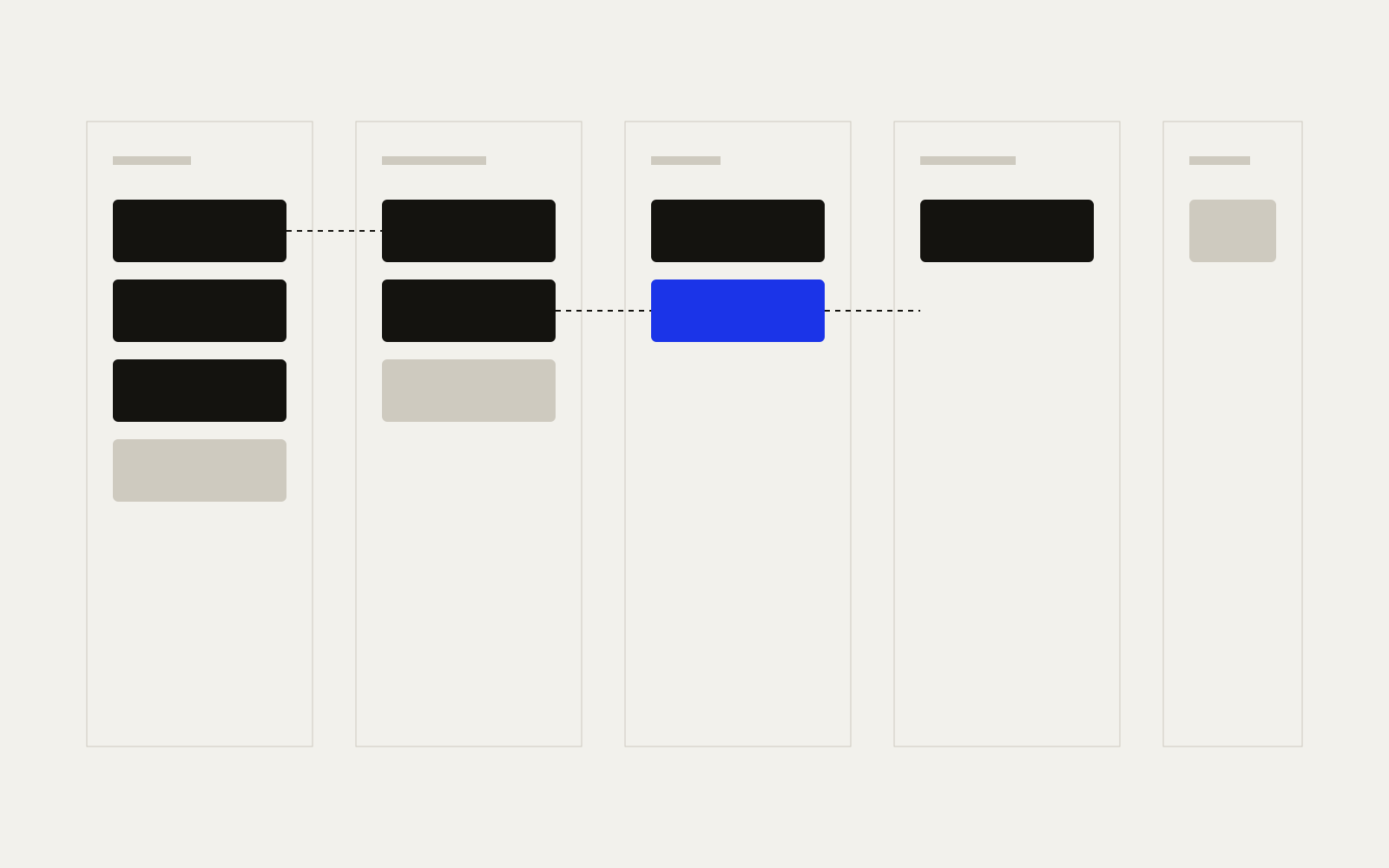
The first job was to write down what a patient actually does, because the practice had never had it on paper: enquiry, first appointment, treatment plan, course of treatment, recall. Once those stages existed, most of the sticky notes turned out to be one of five things, and the ones that were not turned out to be the problems worth solving.
We built the pipeline against that map, with one record per patient rather than one per site. Reception at any location sees the same history, which removed the phone calls between branches that were eating an hour a day.
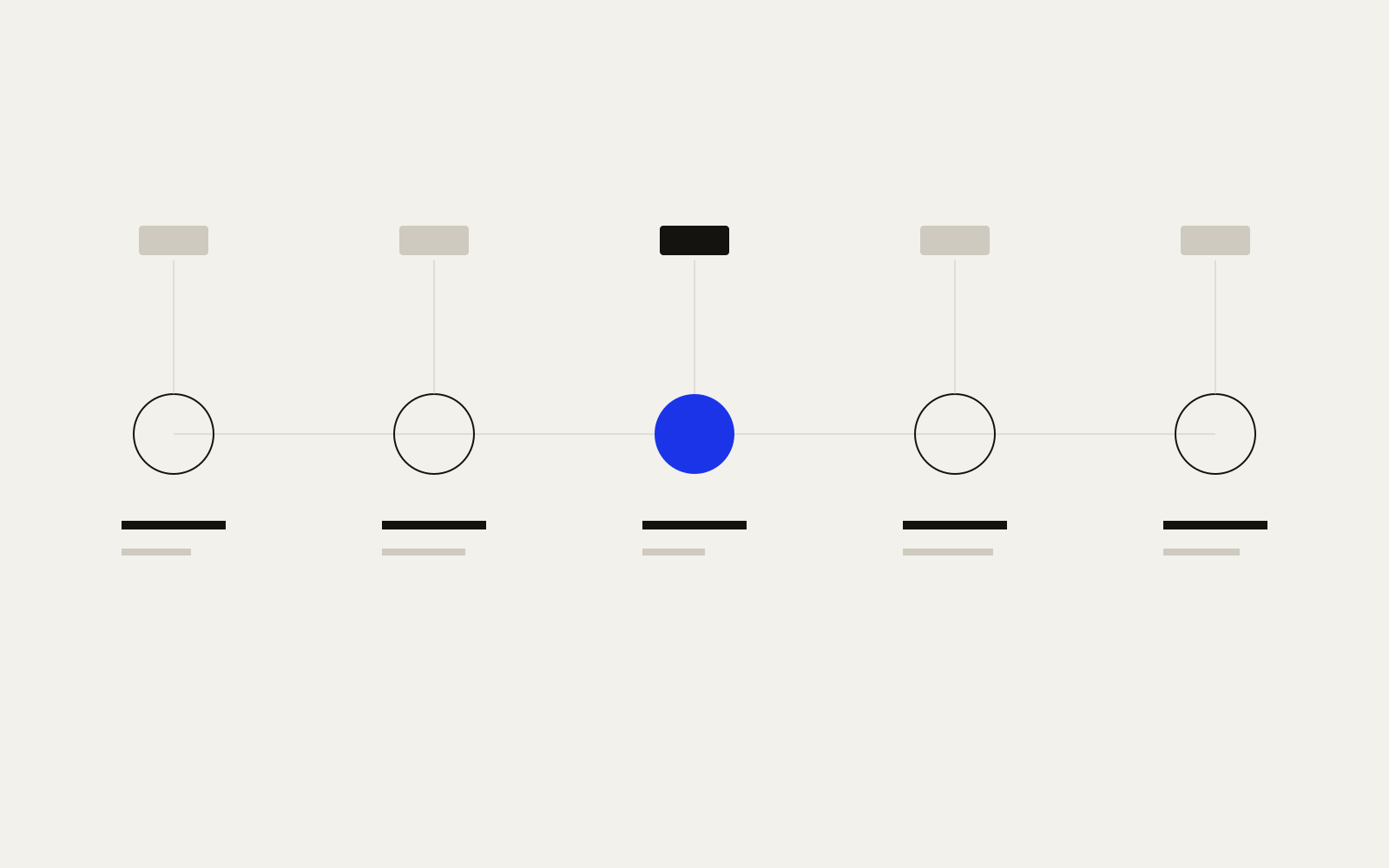
Reminders now go out on a fixed schedule — a week before, then the morning of — and confirmations write straight back to the record. Recall is the piece that paid for the build: patients who finish a course of treatment are scheduled for contact at the right interval automatically, so the practice stops losing people quietly.
The reporting is short on purpose. Bookings, no-shows, and recall recovery, per site, per month. Three numbers the principal reads in a minute, rather than a dashboard that gets opened once and never again.
Result
31% fewer
No-shows across three sites
No-shows fell by 31% in the first quarter, and recall now brings back patients the practice had no record of losing.